Blog · 14 August 2026
After-hours calls: why the business that answers at 9pm wins the job
The most urgent, highest-value jobs come in after everyone's shut. Whoever answers wins them; everyone else sends them to voicemail. Here's how to be the one who answers.
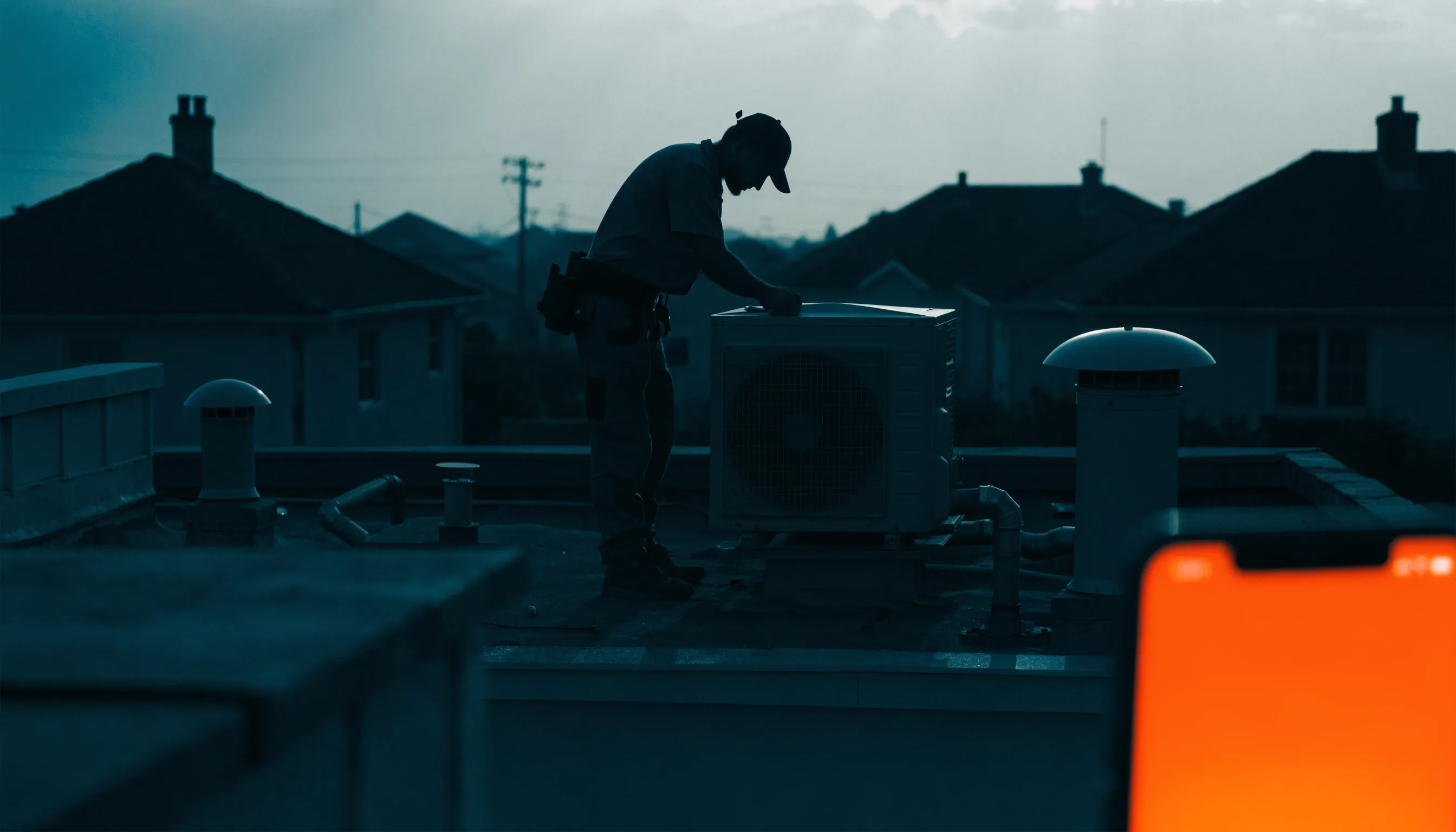
Think about the calls that matter most in your trade. The burst pipe flooding a kitchen. The air-con that dies on the first 40-degree day. The roof leaking in a storm. The switchboard sparking at night.
Notice a pattern? The urgent, high-value, ready-to-book jobs almost always come in after hours — nights, weekends, the middle of a heatwave. And that’s exactly when most businesses have the phone diverted to voicemail.
So the job goes to whoever picks up. Not the best tradie. Not the cheapest. The one who answered.
Why after-hours is where the money is
An after-hours caller is different from a 10am caller. They have a problem right now, they’re stressed, and they’re not shopping around — they’ll book the first business that answers and sounds like it can help. They’re also often the biggest jobs: emergencies, replacements, storm damage.
That combination — high urgency, high value, low price-sensitivity — makes the after-hours call the most profitable one your phone gets. And it’s the one most businesses hand straight to a competitor by not answering.
Why “I’ll call them back in the morning” doesn’t work
By morning, it’s over. The person with water coming through the ceiling didn’t wait eight hours for your callback — they rang the next plumber at 9:47pm and someone came out. The heatwave caller booked the company that answered while theirs rang out. After-hours leads have a shelf life measured in minutes, not hours.
How to actually be the one who answers
You have a few options, and only one of them really works around the clock:
- Divert to your mobile. Fine until you’re asleep, at dinner, or already on another call. You’ll catch some and miss the rest — and answering emergencies at 11pm burns you out fast.
- After-hours answering service (human). A real person can take the call, but after-hours is when they charge the most, and one person can’t handle a heatwave surge where forty phones ring at once.
- An AI receptionist. This is the one built for the job. It answers every after-hours call, 24/7, in your business’s name — calmly walks the caller through the immediate problem, works out how urgent it really is, books it or escalates a genuine emergency to you, and texts you the details. It doesn’t sleep, doesn’t get overwhelmed by a surge, and doesn’t cost more at midnight. If you’ve wondered how AI actually runs your phones, after-hours is where it earns its keep first.
The heatwave / storm test
Here’s the real test of any setup: what happens when your busiest possible day hits — the first heatwave, the big storm — and a hundred people call in two days? A diverted mobile drowns. A single human can’t keep up. An AI answers all of them at once. That surge day is when your competitors’ phones melt down and yours quietly keeps booking jobs.
See what you’re missing after hours
The free two-minute Missed-Call Calculator factors in how you handle after-hours calls and shows you the monthly number. Most owners are surprised how much of the leak happens after they’ve gone home.
See what missed calls are costing you.
The free two-minute calculator runs your numbers and emails you a full report — no sales call, no obligation.
See what I'm missing — free